International Freight Insurance Type Selection and Claims Operation Guide
International freight insurance is an important means of transferring cargo loss risk during transit. Reasonable coverage selection and proper claims operation effectively protect enterprise interests.
1. Marine Insurance Coverage
China Insurance Clauses (CIC) marine insurance is divided into: FPA (Free from Particular Average, covers total loss and general average only, minimum coverage), WA (With Average, FPA + particular average, medium coverage), All Risks (WA + 11 general additional risks, most comprehensive). Institute Cargo Clauses (ICC) are divided into ICC(A) (corresponding to All Risks), ICC(B) (corresponding to WA), ICC(C) (corresponding to FPA). All Risks premium rate is approximately 0.1%–0.3%.
2. Insured Amount Calculation
Insured amount is typically calculated at 110% of CIF price (10% uplift as expected profit): insured amount = CIF price × 110%. Premium = insured amount × premium rate. If the transaction price is FOB or CFR, convert to CIF first. High-value goods (e.g., electronics) may have 20%–30% uplift, subject to insurer consent.
3. Additional Risk Selection
General additional risks (11 types, included in All Risks): theft, pilferage and non-delivery, fresh water and rain damage, shortage, intermixture and contamination, leakage, clash and breakage, odour, sweat and heating, hook damage, breakage of packing, rusting. Special additional risks: war risk, strikes risk, deck cargo risk, import duty risk, rejection risk, etc. Select additional risks based on cargo characteristics and route risks.
4. Claims Operation Essentials
After cargo damage occurs: ① immediately notify the insurer or its survey agent; ② obtain cargo damage certificate from carrier or third party (e.g., sea protest, port record); ③ take reasonable measures to prevent loss expansion; ④ file claim within limitation period (typically 2 years); ⑤ submit claim documents: insurance policy, bill of lading, invoice, packing list, damage certificate, survey report, claim list. Note: insurance coverage is "warehouse to warehouse," but if goods do not enter consignee's warehouse within 60 days after discharge from seagoing vessel, coverage terminates.
Related News
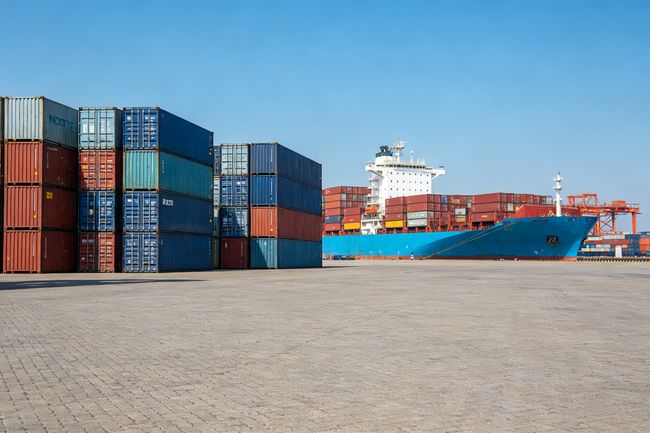
Cross-border E-commerce Export Tax Rebate Policy and Operation Guide
Detailed explanation of cross-border e-commerce export tax rebate eligibility, calculation methods and operation process.
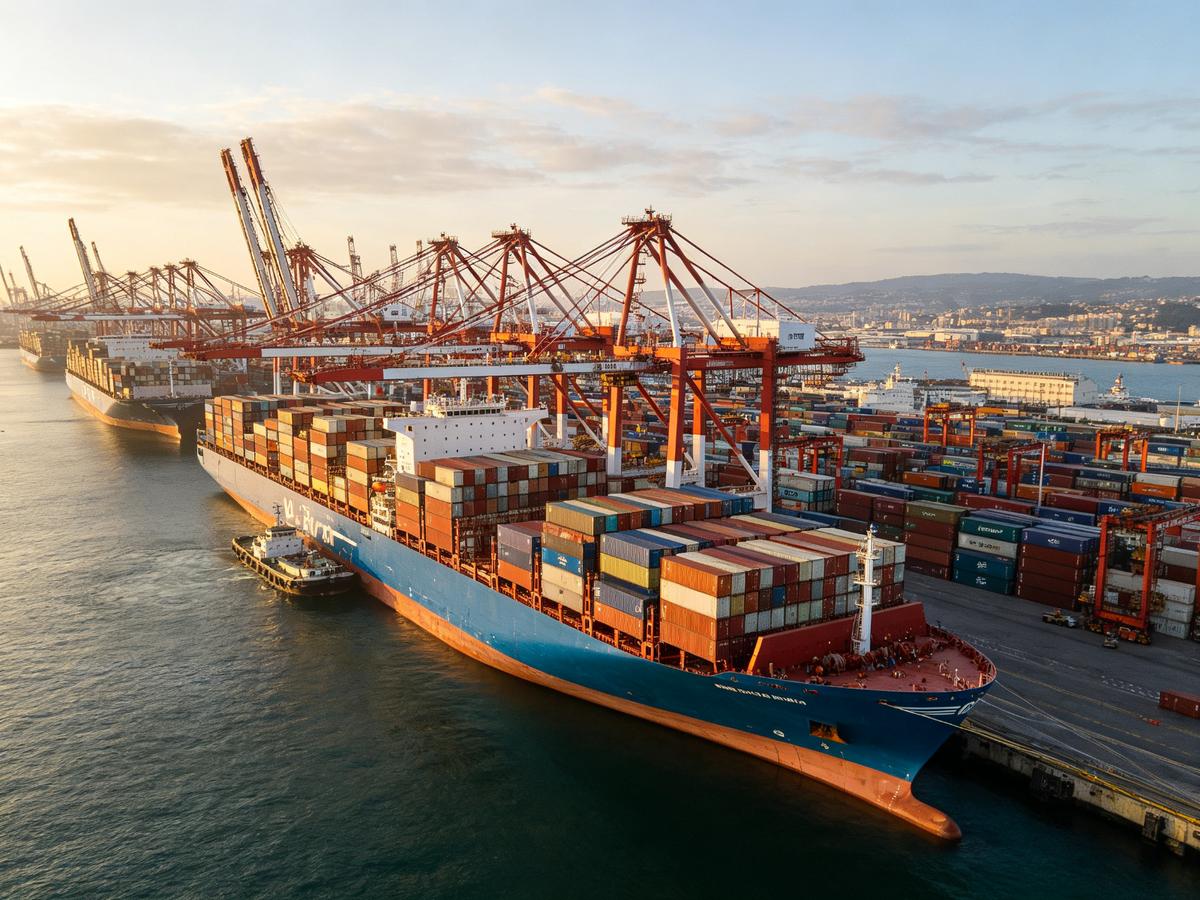
International Ocean Freight Forwarder Selection Guide
Multi-dimensional analysis of how to select international ocean freight forwarders from price, transit time and service perspectives.